
I love the movie QUEEN starring Kangana Ranaut. It’s not loud or dramatic but shows how gently independence takes shape- a cancelled wedding, honeymoon turned into a solo-trip, some uncomfortable firsts and a woman slowly realising she can navigate the world without anyone’s permission.
That’s often how financial independence works too. It doesn’t arrive with fireworks. It grows quietly, through choices we make early, habits we build slowly, and the confidence that follows.
For generations, Indian women have been gently told that money is someone else’s responsibility (even when you’re the one earning it).
Focus on the home.
Don’t stress about finances.
Your father or husband will handle it.
Well-meaning advice, perhaps. But in today’s India, it’s an advice that can quietly cost women their freedom.
In 2026, financial independence for women is not optional, it’s essential. Whether you’re earning, caregiving, freelancing, studying, or restarting life at 40, having control over your money is the difference between security and dependence.
The objective here isn’t about becoming ultra-rich. It’s about staying powerful- quietly, consistently, and on your own terms.
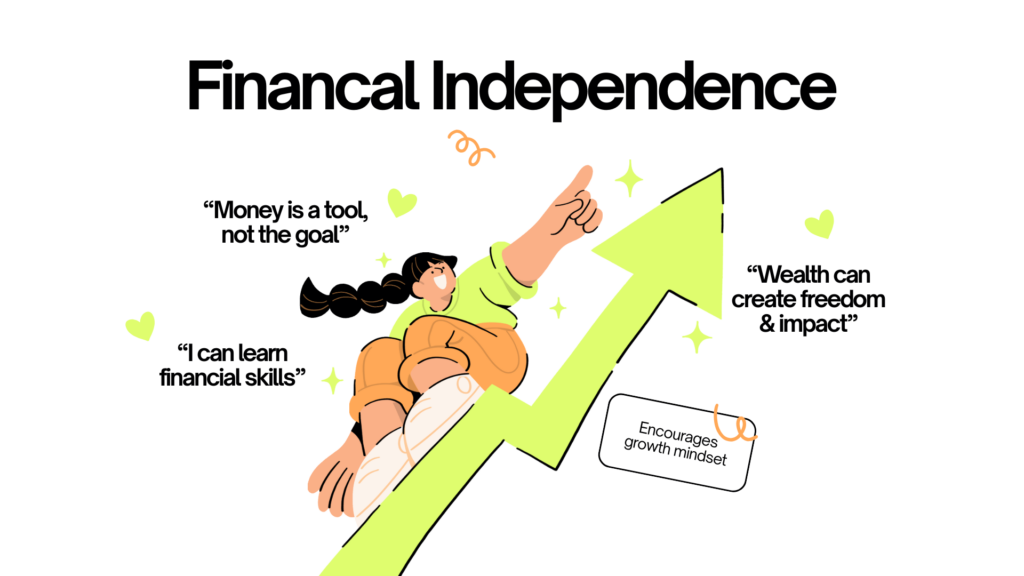
Financial independence means having the ability to support yourself financially, today and if circumstances change, tomorrow.
It means:
It’s not about rejecting support. It’s about never being trapped by the lack of it.
1. Because Life in India Is Changing Fast
According to government data, nearly 40% of Indian marriages end due to financial stress being a contributing factor. Add to that rising divorce rates in urban India and longer life expectancy for women. The risk becomes clear.
Having enough money isn’t about being pessimistic. It’s about preparedness.
2. Because Women Still Earn Less and Live Longer
Indian women earn, on average, 19–20% less than men and are more likely to take career breaks for caregiving. Yet, women tend to outlive men by 3–5 years, meaning retirement planning matters more for women, not less.
Without personal savings or investments, longevity becomes vulnerability.
3. Because Asking for Money Erodes Confidence
Many women, across income groups, still ask before spending on themselves.
That subtle “Can I?” moment may seem small, but over time, it chips away at self-worth.
Financial independence replaces that question with a statement: I can.
4. Because Financially Aware Women Raise Financially Aware Families
Studies show that children, especially daughters, of financially independent mothers are more likely to be confident decision-makers. Independence is contagious.
Especially then.
In India, unpaid domestic labour by women is estimated to contribute over 30% to the country’s GDP, yet most homemakers:
Financial independence for homemakers can simply mean:
This isn’t about mistrust. It’s about dignity and safety.
1. Track Your Money
Know your income, expenses, and liabilities. Awareness is the first form of control.
2. Build an Emergency Fund
Aim for 6 months of expenses. It’s the foundation of financial security for women.
3. Invest, Don’t Just Save
Savings protect you. Investments grow you.
SIPs, mutual funds, PPF, NPS- start small and stay consistent.
4. Learn About Money
Financial literacy among Indian women is still below 30%. This gap isn’t about intelligence; it’s about access and encouragement. Reading, learning, and asking questions changes that.
Let’s Talk About Money by Monika Halan is one great book for beginners to learn about personal finance.
5. Create Income Streams When Possible
Side hustles, consulting, freelancing, teaching, or re-skilling, every additional rupee strengthens autonomy.

I didn’t always call it financial planning. Back then, it simply looked like being mindful, intentional, and a little stubborn about standing on my own feet.
While pursuing my master’s, I managed all my living expenses on my own, everything except tuition. Over the years, that habit of planning quietly shaped my life. It allowed me to step in and support my family when they needed it (coz chhoriyan chhoron se kam hain ke?). It gave me the freedom to plan my wedding on my terms, without constant compromise or anxiety. It let me buy the tech I wanted, not just needed. Eventually, it even helped me buy my first car, something that felt symbolic of independence in ways I hadn’t expected.
More than the milestones, though, financial planning gave me something deeper: a sense of safety.
Knowing that if tomorrow throws a curveball- career shifts, family emergencies, or unexpected pauses, I can still support myself and my loved ones. That quiet confidence and the assurance that I’ll be okay no matter what, is the real return on investment.
And that’s when I realised, financial independence isn’t just practical, it’s profoundly emotional.
Money isn’t just numbers.
It’s peace of mind.
It’s confidence.
It’s staying by choice, not compulsion.
Financial independence allows women to remain in relationships, careers, and roles because they want to and not because they have to.
That distinction is everything.
Wanting control over your money doesn’t make you selfish.
It makes you responsible to yourself.
So whether you’re starting with ₹500 or ₹50,000, start today.
Because gold jewellery is beautiful, but financial independence lasts longer.
And let’s be honest: the most powerful thing a woman can own isn’t a necklace.
It’s the knowledge that she’ll be okay, no matter what.
P.S. If someone tells you financial independence isn’t important because you’re “well looked after,” smile kindly. You can think about it later, perhaps while sipping Piña Colada at a beach in the Seychelles. 😉
This article draws on insights from recent Indian studies and reports, including:
Data referenced reflects trends observed between 2022–2025 and is used to provide context, not conclusions.
Thank you for reading my blog and learning from my experience.
For your daily dose of life in all its beauty & imperfections

Masternee
Your Mind’s Favourite Blog
Copyright © 2024 Masternee. All Rights Reserved.