
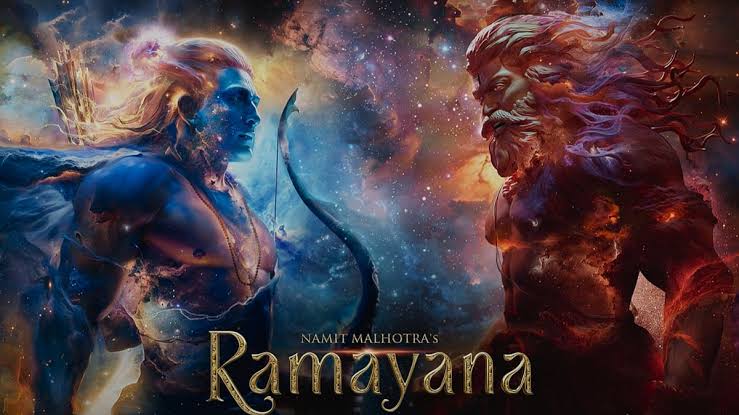
The teaser for Namit Malhotra’s Ramayana has just dropped, and it’s already stirring up a storm online. Clocking in at just over three minutes, the teaser opens with a powerful visual of the cosmic trinity—Brahma, Vishnu, and Shiva—paired with Hans Zimmer and A.R. Rahman’s soaring background score and Game of Thrones-style credits. A fleeting glimpse of Ranbir Kapoor as Ram is all it takes to send fans into a frenzy.
But amid the excitement, there’s a cautious optimism at play. The memory of Adipurush (2023)—a ₹500 crore spectacle that missed the mark both critically and culturally—is still fresh. Audiences are hopeful, but wary.
Indian mythology has always held the power to enthrall, across generations. The younger crowd, raised on Marvel and mythic multiverses, is hungry for grounded yet grand retellings of our own epics. Meanwhile, older generations carry a deep nostalgia for Ramanand Sagar’s iconic Ramayan. And yet, most modern adaptations, whether on the big screen or television, have failed to strike the right balance between reverence and reinvention.
So, as we wait for Ramayana’s full release with curiosity (and expectations in check), let’s unpack the teaser, decode a few hidden details you might’ve missed, and explore three powerful books that reimagine this ancient epic through fresh, thought-provoking lenses.
Haven’t seen the teaser yet? Here’s the link.
If there’s one word to capture the essence of the Ramayana teaser, it’s monumental. From the very first frame, the teaser doesn’t just introduce a film—it unveils a mythic world reborn with breathtaking scale. The visuals are striking, evoking a sense of celestial drama and divine purpose. The music, an electrifying fusion of Hans Zimmer’s orchestral gravitas and A.R. Rahman’s spiritual undertones, doesn’t just accompany the images, it elevates them. It feels less like a trailer and more like a ceremonial opening to a legend about to unfold.
Interestingly, the teaser refrains from showing any traditional footage for most of its runtime. Instead, it leans into symbolism, epic text overlays, and immersive world-building to set the tone for what’s being promised as the war to end all wars. It’s only in the final seconds that we catch our first fleeting glimpses of Ranbir Kapoor as a stoic, almost ethereal Ram, and Yash as a formidable, shadow-drenched Ravan. A blink-and-you’ll-miss moment, but enough to light the spark of anticipation.
The film, fittingly, is slated to unfold in two parts—Part One expected in Diwali 2026, and Part Two following in Diwali 2027. A mythological saga of this scale deserves nothing less than a cinematic journey that spans years just like the epic it draws from.
One of the most compelling aspects of the Ramayana teaser is how it doesn’t just rely on spectacle—it weaves in deep mythological symbolism for those familiar with the lore. Beneath the surface of VFX and music, there are carefully embedded visual cues that pay homage to ancient texts and lesser-known interpretations of the epic. Here are a few such details that add a rich subtext to the teaser:
1. Colour as Cosmic Code: Ram-Vishnu, Ravan-Shiva
It’s no coincidence that Ram and Vishnu are both depicted in the same serene blue, while Ravana and Shiva are shrouded in shades of fiery red. Ram, as the seventh avatar of Lord Vishnu, embodies balance, dharma, and divine order. Ravana, though a formidable antagonist, was an ardent devotee of Lord Shiva—symbolising chaos, ego, and raw power. The teaser subtly reinforces this divine alignment through colour—visually tying the mortal incarnations to their cosmic counterparts.
2. The Serpent Beneath the Story: Laxman as Sheshnag
A lesser-known detail from the Ramayana is the divine origin of Laxman. He is believed to be the incarnation of Sheshnag—the thousand-headed serpent upon whom Lord Vishnu rests. In every yuga where Vishnu descends to Earth, Shesh follows as his guardian. In Treta Yuga, that divine protector becomes Laxman. This context gives Laxman’s fierce loyalty and constant presence beside Ram a profound mythological weight, an echo of an eternal cosmic bond.
3. The Boon That Backfired: Kumbhakarna’s Nidrasana
In a visually rich moment of the teaser, there appears to be a subtle nod to Kumbhakarna’s legendary curse. As the story goes, when Ravana, Vibhishana, and Kumbhakarna undertook intense penance to please Lord Brahma, the latter was manipulated by Goddess Saraswati—who twisted Kumbhakarna’s tongue to say “Nidrasana” (eternal sleep) instead of “Indrasana” (the throne of Indra). The teaser hints at this curious twist of fate in one of its fleeting visuals. Did you catch it? Drop the timestamp in the comments if you spotted this hidden gem.
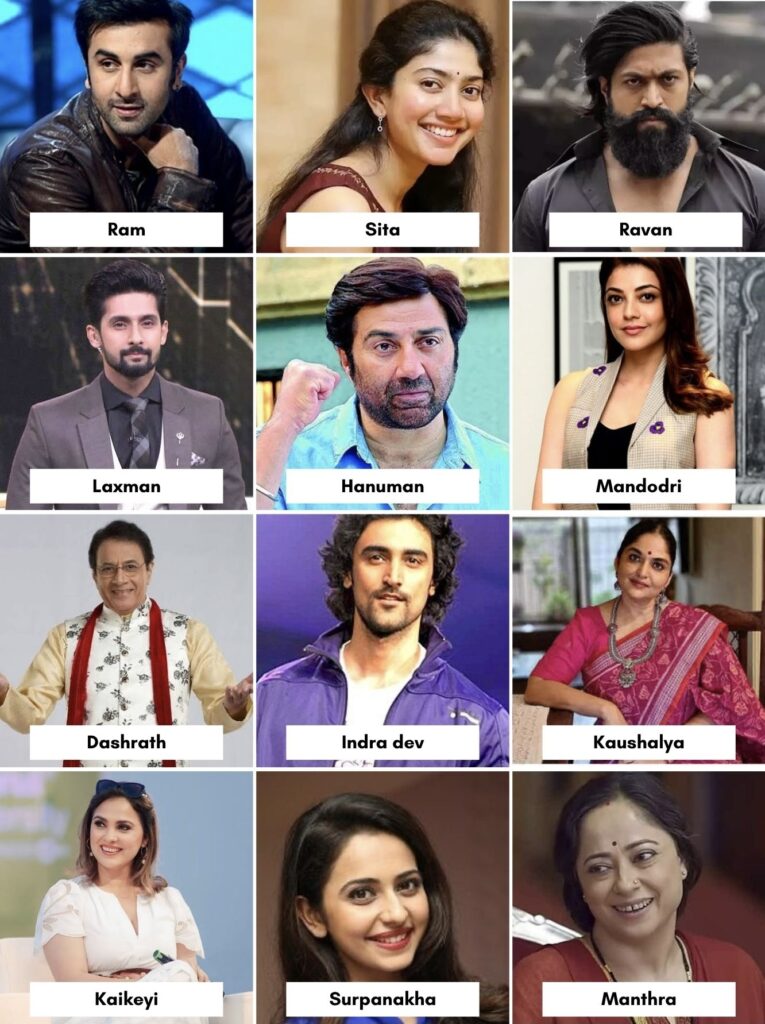
The cast lineup is undeniably intriguing, bringing together a mix of seasoned performers and unexpected choices. While the teaser offers only glimpses of Ranbir and Yash, the true test will be in how convincingly each actor embodies the timeless weight of their character when the full story unfolds.
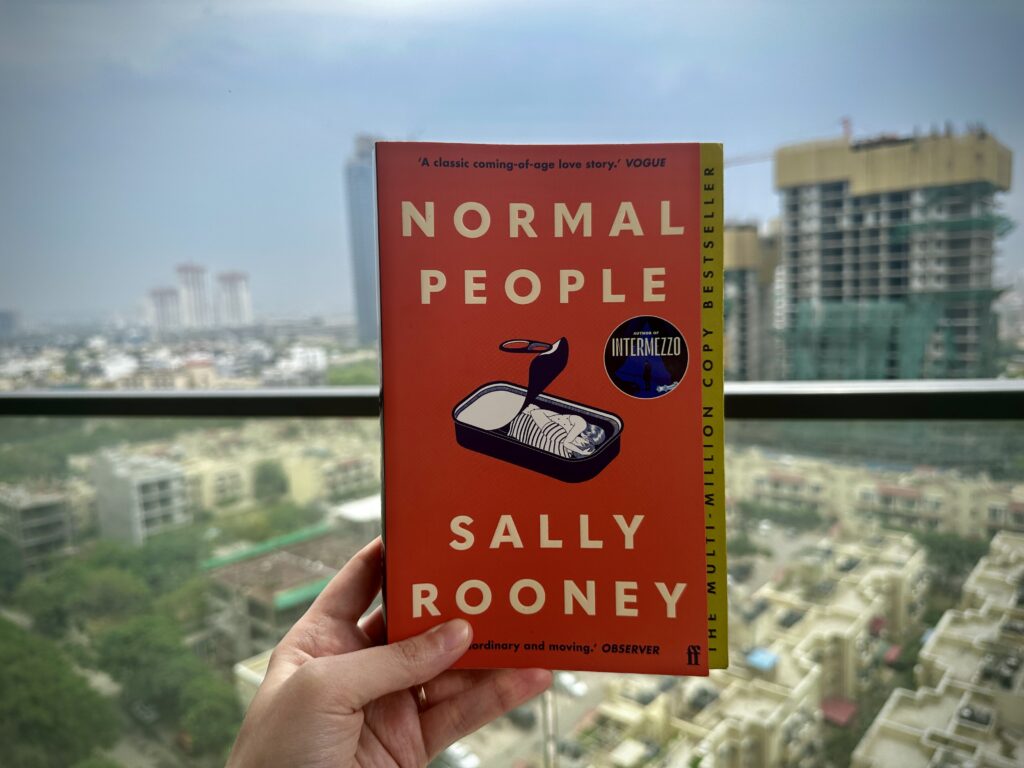
The teaser may have whetted your appetite, but the full cinematic saga is still a while away. In the meantime, why not dive into the many-layered universe of the Ramayana through the written word? These three books offer fresh, thought-provoking perspectives on the epic—each one reframing familiar characters in ways that challenge, captivate, and completely immerse you.
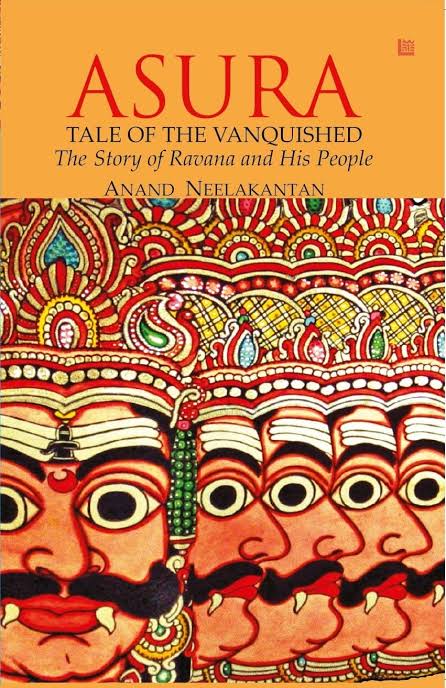
📕 Asura by Anand Neelakantan
What if the villain wasn’t a villain at all? In Asura, the story unfolds from Ravana’s point of view—a defiant, deeply human voice that questions the black-and-white morality often imposed on epics. It’s gritty, unflinching, and filled with uncomfortable questions that linger long after the last page.
Read if you love: grey characters, underdog narratives, and stories that subvert the traditional “hero-villain” lens.
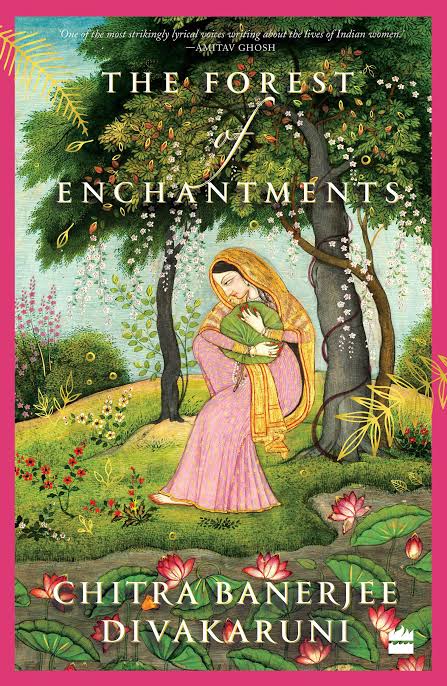
📗 The Forest of Enchantments by Chitra Banerjee Divakaruni
Told from Sita’s perspective, this lyrical and quietly powerful novel paints the inner world of a woman so often confined to the margins of larger-than-life stories. Here, Sita is no longer just Ram’s consort—she’s the narrator, the heart, and the moral compass of her own journey.
Read if you love: character-driven fiction, feminist reimaginings, and poetic prose that brings myth to life.
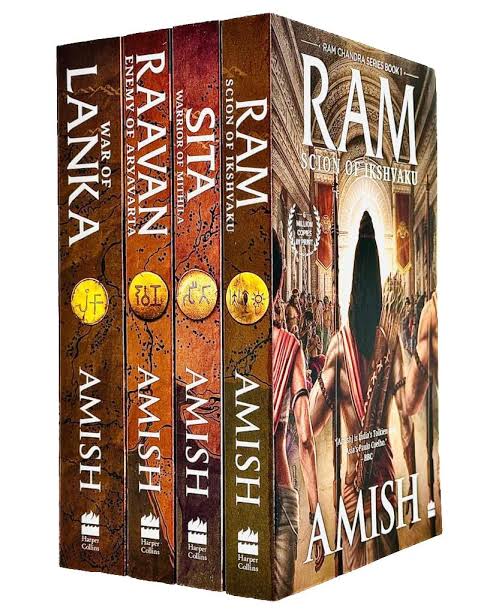
📘 The Ram Chandra Series by Amish Tripathi
This multi-book series reimagines the Ramayana in a cinematic, almost Marvel-like universe—complete with fast-paced action, layered backstories, and non-linear timelines. Think ancient India meets modern storytelling, where mythology is retold with the flair of a thriller.
Read if you love: rich world-building, philosophical undertones, and mythology told with an epic blockbuster vibe.
Whether you’re new to these tales or revisiting them through a new lens, these books are the perfect companions as we wait for the next chapter of Ramayana to unfold—this time, on the big screen.
There’s no denying the Ramayana teaser has reignited interest in mythological storytelling on a scale we haven’t seen in years. The sheer ambition—from the visuals to the music to the star cast—signals a bold attempt to reimagine one of India’s most sacred epics for a new generation of viewers. In an era where audiences are drawn to cinematic universes and layered narratives, this retelling arrives at a potent cultural moment, one that blurs the line between mythology and modernity.
What makes this even more exciting is the potential for resonance. The Ramayana has always been more than just a tale of gods and demons, it’s a story of values, choices, ego, exile, and redemption. If the filmmakers succeed in weaving in themes that hold meaning in today’s complex world with questions of dharma, justice, and inner conflict, this adaptation could be more than just a visual spectacle. It could be a mirror held up to our times.
With that said, I am watching with cautious optimism. Adipurush may have set the bar low, but it also served as a reminder that mythology deserves more than CGI gimmicks and half-baked writing. This time, the hope is different. It’s not just for a faithful retelling, but for a respectful, nuanced, and cinematic revival of a story that lives in the hearts of millions.
And so, we wait, not just with excitement, but with a collective prayer: May this Ramayana live up to its epic promise.
📚 Seen the teaser? Spotted a hidden detail? Or have a book rec that rivals these retellings? Let’s chat in the comments!
Thank You for reading our Blogs and Learning from our experience.
For your daily dose of life in all its beauty & imperfections

Masternee
Your Mind’s Favourite Blog
Copyright © 2024 Masternee. All Rights Reserved.