

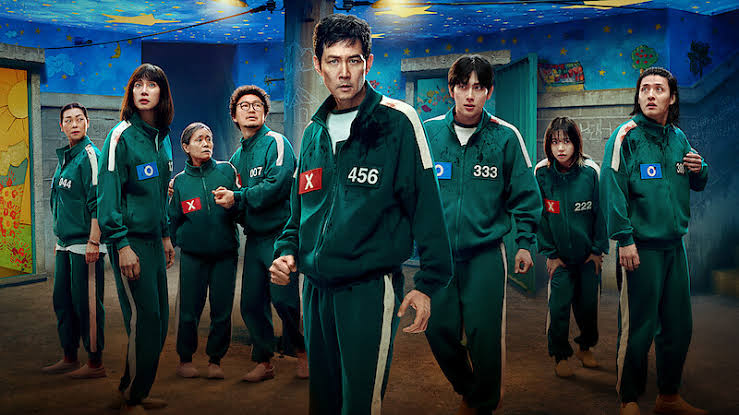
The third season of Netflix’s much-anticipated Squid Game dropped last week and unsurprisingly, it broke the internet. After the cliffhanger at the end of Season 2 and all the unresolved backstories, the hype was very real. Audiences were expecting answers, closure, maybe even redemption arcs.
But if you ask me? Season 3 left me feeling… a little high and dry.
I’m not entirely sure what I was expecting from this final installment, but I definitely expected more. Key backstories remained unexplored, plot points felt conveniently brushed over, and the ending—while haunting—left me torn. It was bold, yes. But it also felt like the franchise is dangerously close to overstaying its welcome. A U.S. spin-off? Do we really need that?
Anyway, let’s get into it. Here’s a breakdown of the Season 3 finale, the hidden motivations, the ripple effects and what it all really means.
At the start of Season 3, we find Player 456 a shell of his former self, haunted by the fallout of his failed rebellion. He’s disillusioned, devastated, and consumed by the belief that these games are unstoppable. It appears he’s lost all will to fight until Episode “Starry Night.”
Here, 456 doesn’t play to survive. He plays to destroy. Specifically, to kill Player 388, whom he believes is responsible for sabotaging the resistance from within. Vengeance becomes his fuel. But when he finally takes 388 down, it doesn’t feel like a victory, it feels hollow. He doesn’t find closure, only deeper guilt. He realises the truth: 388 wasn’t the real problem. Maybe no single player ever was. Maybe it was him.
But then—something shifts.
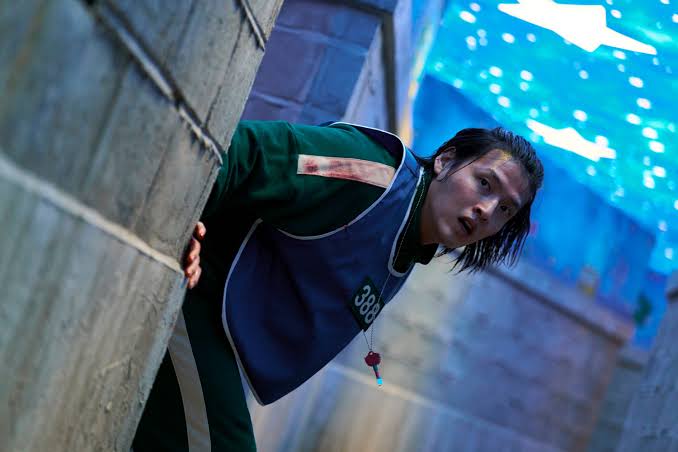
Through scattered moments of sacrifice and courage, he sees players risking everything to protect a child. A child who has become a symbol of something bigger—hope, innocence, and the possibility of change. That’s when 456 finds his purpose again. Not to win. Not to survive. But to protect that child. To make some part of this nightmare worth something.
While others, especially the child’s own father, treat the game like war, willing to destroy anything for the prize, 456 takes the road less traveled. He decides to save instead of win. And in doing so, he reclaims his agency. His soul.
In the end, choosing the child wasn’t just the right decision—it was the only decision that aligned with the man 456 was trying to become. A man who believes that even in a broken system, a handful of people can make a difference.
Player 456’s decision to save the child over himself isn’t just a personal redemption arc—it’s the catalyst for a ripple effect that shifts the moral compass of those around him.
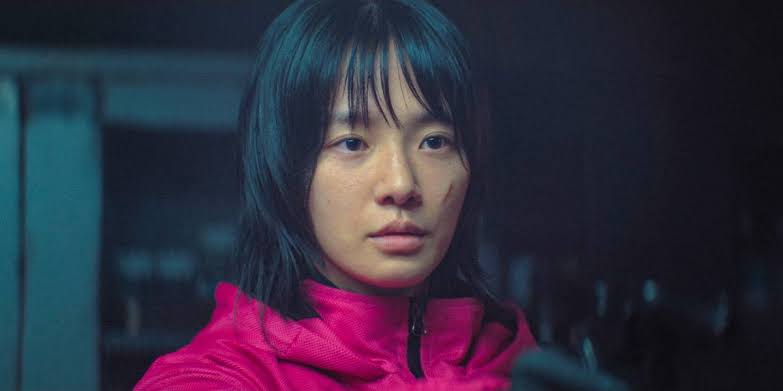
🛡️ Guard 11: A Flicker of Hope:
Guard 11 had long given up on finding her daughter. Exhausted, jaded, and drowning in grief, she clung to one last thread of purpose—rescuing the little girl’s father. If she could reunite a family, maybe that would be enough. Maybe that would be the only closure life would offer her.
But when she witnesses 456 willingly sacrifice himself for a child that isn’t his, something changes. In that raw, selfless moment, she sees proof that humanity isn’t completely broken. If someone could lay down their life for a stranger’s child, maybe someone, somewhere, had done the same for hers. That flicker of hope, however fragile, is enough to pull her back from the edge. For the first time in a long time, she steps back into the world not to finish her story but to continue it.

🎭 The Front Man: A Glimpse of Who He Could’ve Been
The Front Man sees something in 456 that unsettles him—not weakness, but resilience. Compassion. The very qualities he once buried to survive the game. He had tried to break 456, offering him the same out he was once given. He expected him to fold, to choose self-preservation like everyone else had. But 456 didn’t. He chose differently.
And that changes everything.
For the first time, the Front Man begins to question the life he’s built—one rooted in power, detachment, and survival. He didn’t have to fly to the U.S. to find 456’s daughter. He didn’t have to tell her the truth—that her father hadn’t abandoned her, but had died trying to protect someone else. Yet he does.
He also didn’t have to transfer the remaining prize money from 456’s original win. Or ensure the baby was placed in safe hands. But again, he does. Because something inside him had shifted. He’ll never be able undo the choices he made. But this? This is his version of justice. A small, quiet attempt at atonement.
Also, this moment presented a golden opportunity to explore the Front Man’s backstory, the one before the games. But sadly, the makers didn’t.
The world of Squid Game is soaked in sorrow—loss, betrayal, impossible choices. But even in the darkest corners, flickers of light survive. And sometimes, they grow.
It’s quietly heartwarming to witness the reunion of the little girl and her father. After everything they’ve endured, they now lead a life that’s far from perfect, but grounded in something rare: peace & love.
Choi Woo-seok—the smarty pants who exposed the Captain’s betrayal, walks away from the bloodstained path he once knew. For the first time, he isn’t running or fighting. He’s choosing. A fresh start. A clean slate.
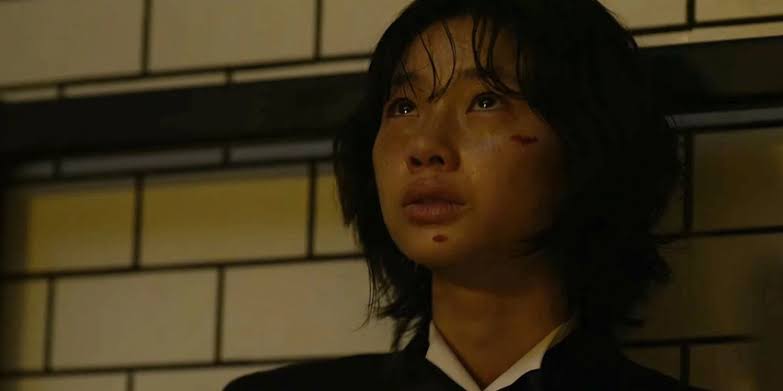
Sae-byeok’s (one of the three finalists from season 1) younger brother is finally reunited with his mother. A loose end tied with grace.
And Guard 11? She dares to believe again. With word that her daughter might be alive, she leaves for China, not with certainty, but with courage. The possibility that somewhere, her child is waiting is enough for her.
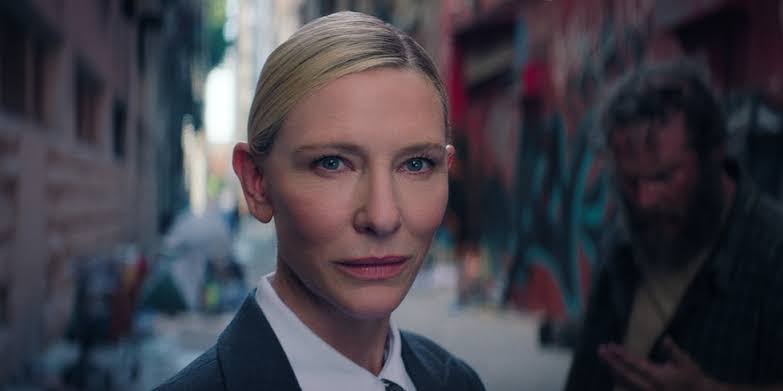
In the closing moments of the season, Cate Blanchett makes a chilling cameo as a recruiter—those cold, calculating eyes? Genuinely spine-tingling. Her appearance all but confirms what fans have been speculating: a U.S. edition of Squid Game is on the horizon.
Now, whether that excites or worries you (I’m in the latter camp), one thing is clear—the games aren’t over. They’ve just relocated.
This isn’t just a plot twist, it’s social commentary. The idea that no matter the geography, the wealthy continue to insulate themselves, indulging their darkest whims while the vulnerable are pitted against one another for survival. Different country, same cruelty.
But amid all that darkness, there’s still light.
Because just as the powerful scheme, the brave resist. Just as evil creeps in, good quietly rises. And that’s what Squid Game ultimately reminds us—yes, the system is rigged. Yes, the odds are cruel. But there will always be people willing to fight back, to make sacrifices, and to rewrite the rules.
One game at a time.
Thank You for reading our Blogs and Learning from our experience.
For your daily dose of life in all its beauty & imperfections

Masternee
Your Mind’s Favourite Blog
Copyright © 2024 Masternee. All Rights Reserved.

This is a great take on, Can’t believe this is how they ended the season!